
Source: wrc.com
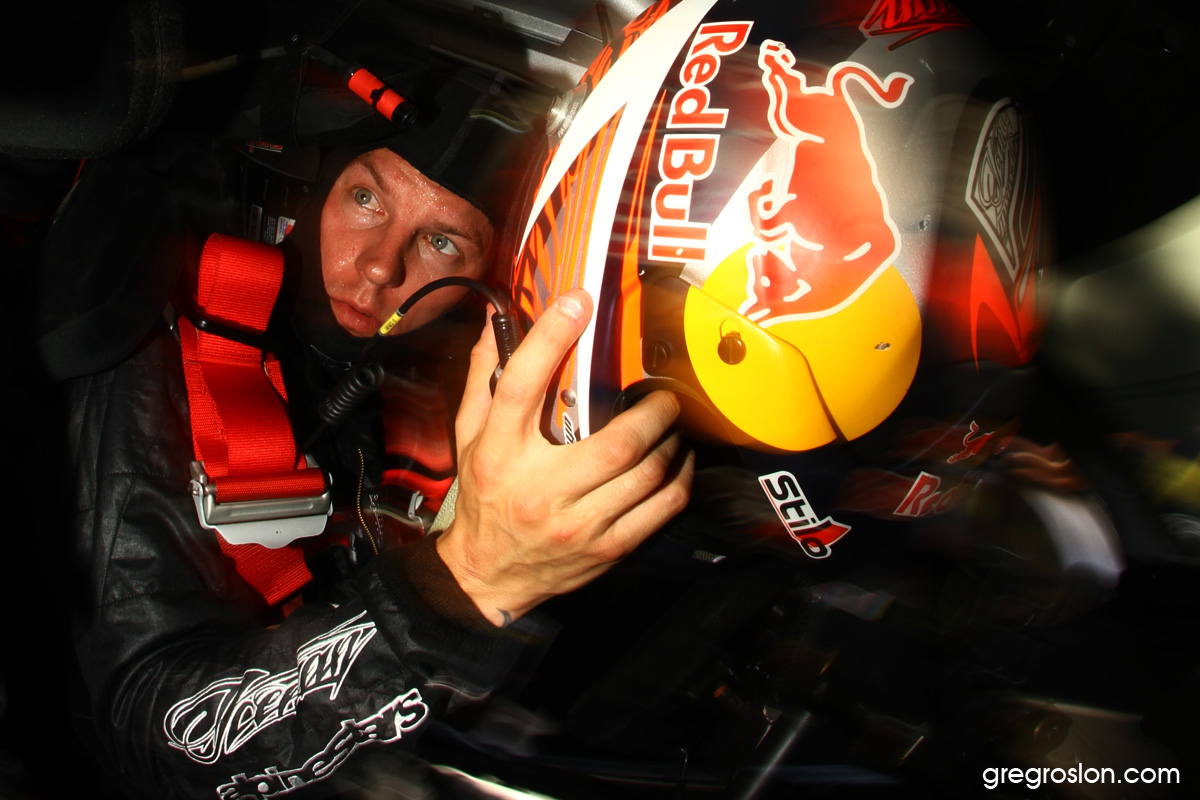 By returning to Formula One following two seasons in the World Rally Championship the itch has been scratched for Kimi Raikkonen – but to what extent that has provided relief remains to be seen.
“On a circuit you know every inch of it and it doesn’t really change from lap to lap. You do exactly the same things every time. On a rally everything is different. There are no corners that are the same: even a right 2 will not be the same corner as the next right 2. Of course you have much less margin for error.”
In the end, two years was never really going to be enough to make it to the top: as his co-driver Kaj Lindstrom warned him, this was going to be a three-year project or longer. People will say that Sebastien Loeb or Sebastien Ogier were instantly quick in a World Rally Car for the first time, but they conveniently forget the thousands of stage kilometres that will have been driven on national rallies and in testing, as well as the inherent ease that these drivers have with pace notes.
Given that Kimi never even liked engineers talking to him over the radio in Formula One, and that the sum of his rallying experience now puts him roughly where Jari-Matti Latvala was when he was 20, the Iceman’s results have been pretty impressive, with consistent top six finishes this year.
Extrapolating the trajectory of his learning curve, next year he could well have been in a position to challenge for podiums, with the chance of a win perhaps coming in 2013.
The highs were his fifth place on Turkey – only his fourth WRC event – and a debut stage win on the Circus Maximus superspecial in Germany; the lows included the shakedown accident that put him out of RallyRACC-Rally de Espana last year and a banal road section accident that curtailed his activities in France.
Whatever you think about Kimi, it’s impossible to deny that his star quality has made a huge impact on the World Rally Championship and that he’s finally answered his own question. Yes he can do it – but it’s hardly the work of a moment.
 FUCK ISRAEL